The experience is difficult to understand
The cart looks great on social media, but prospective clients still have to piece together packages, service areas, event fit, and what is included.
Build The Base helps coffee carts, dessert carts, beverage carts, catering carts, and mobile event concepts turn social attention, search demand, referrals, and event interest into clearer inquiry and booking flows.
Buyer system
Social, search, or referral to confirmed booking
The real problem
Mobile event businesses are often selling an experience for a wedding, corporate event, brand activation, private event, or venue. The buyer needs more than a beautiful post before they can decide whether the cart fits their event.
The cart looks great on social media, but prospective clients still have to piece together packages, service areas, event fit, and what is included.
A wedding, corporate activation, and private event can have different buying requirements, yet many cart businesses route all three into one generic form.
Customers may spend too long completing an inquiry, wait for manual pricing, or enter back-and-forth before confirming basic fit.
The decision path
Each stage answers a different buyer question. Together they turn attention into informed, confident action.
The buyer arrives from social, search, a venue referral, a planner, a friend, or a brand looking for an event experience.
The website confirms the cart, service area, event type, proof, package structure, and whether the experience feels right.
The inquiry flow asks enough to qualify the event without forcing a long intake before the buyer is ready.
Availability, pricing, acceptance, payment, confirmation, and follow-up move the opportunity from interest to a real booking.
The digital foundation
Build the right combination for the business now, with a foundation that can support more visibility, capability, and operational leverage later.
Explain the experience, separate event pathways, place proof, clarify service areas, and make the inquiry path obvious.
Build search and answer visibility around real event buyer questions, service areas, reviews, and Google Business Profile fit.
Connect forms, routing, availability review, pricing guidance, deposits, booking confirmation, and CRM visibility as the business grows.
Build quote calculators, event intake, admin views, dashboards, or client-facing booking experiences when the workflow justifies it.
Decide what belongs on the website now, what should stay manual, and what should become automated only after demand supports it.
Cart business types
Coffee, dessert, beverage, catering, and event carts each need a different expression. The underlying system is similar: explain the experience, prove it in real environments, qualify the event, and route the booking cleanly.
Espresso service, drink experiences, corporate activations, weddings, and private events need pages that sell the experience and confirm service fit quickly.
Visual proof, menu clarity, event galleries, customization, and availability matter because the buyer is often choosing the look and feel as much as the product.
Packages, guest count, service requirements, event scale, and brand presentation need to be understandable before the quote conversation starts.
Menus, event types, service areas, capacity, logistics, and quote qualification should help the owner avoid unqualified back-and-forth.
Booking system opportunity
Not every cart business needs custom software on day one. A smaller operator may only need structured inquiry and automatic notifications. A growing operator may need availability checks, pricing logic, deposits, booking confirmation, and CRM visibility.
Explore inquiry, quote, and booking systemsInquiry
Availability
Pricing
Acceptance
Payment
Booking
The form captures the event type, date, location, guest count, and key context, then notifies the right person for manual follow-up.
The site gives starting prices, ranges, or conditional guidance so a buyer can self-check fit before requesting a quote.
Availability, pricing logic, acceptance, payment, confirmation, CRM visibility, and follow-up connect into one workflow.
Local discovery
Service areas should be explicit on the website, especially when the business travels to weddings, venues, activations, and private events across multiple markets.
Event types and service locations should connect naturally in the content instead of becoming thin location pages that do not add value.
Google Business Profile information should reflect how the business actually operates. A business that travels to customers can often operate as a service-area profile and hide the address when customers are not served there.
Reviews, event galleries, partner links, and broader web prominence help reinforce that the cart is real, active, trusted, and relevant to the market.
Adjacent proof
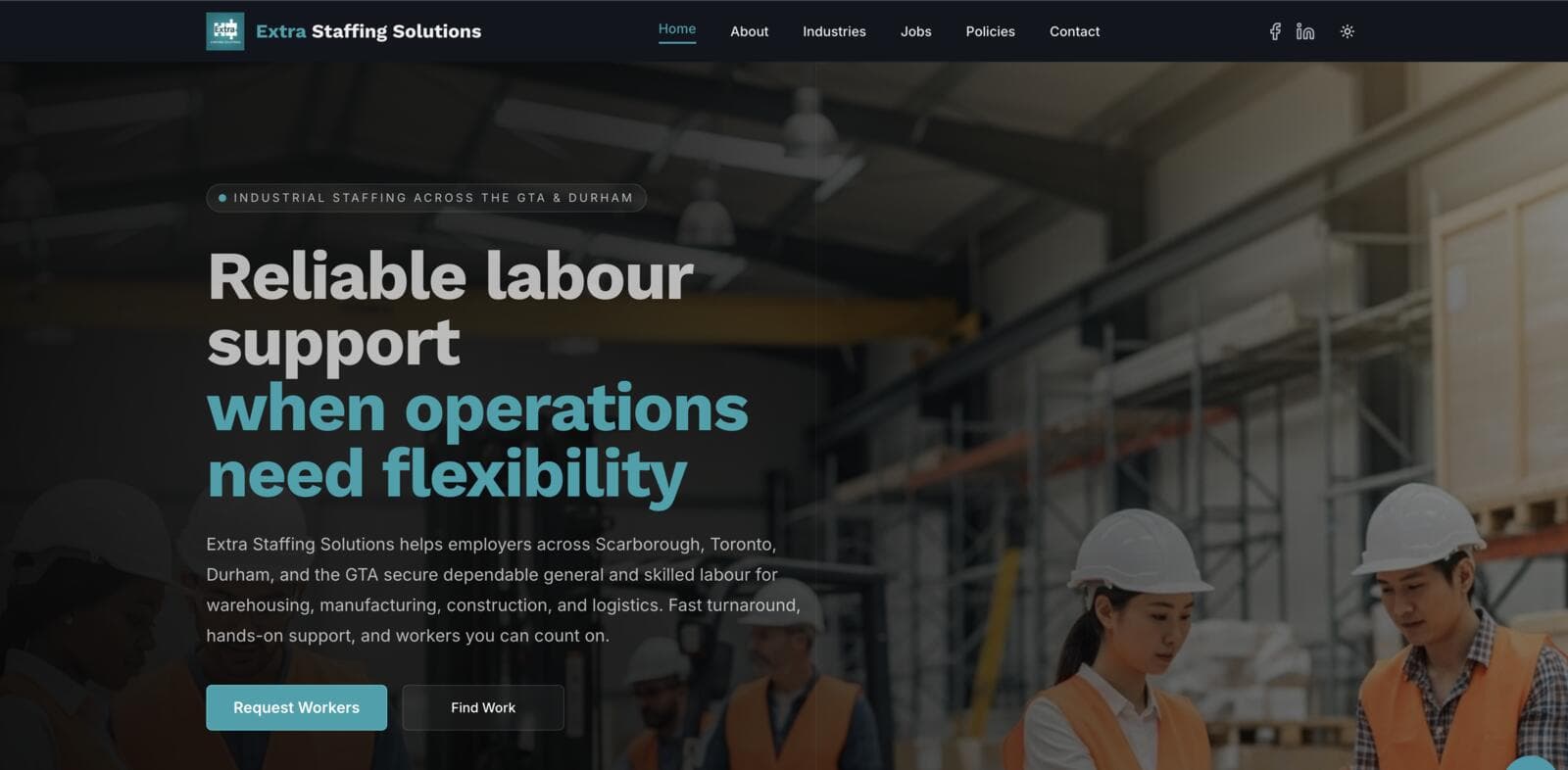
Featured project · Staffing
Trust-forward acquisition site built to support outbound and convert inbound.
Visit live websiteBusiness constraint
The business needed one credible digital presence that could support outreach while serving employers and candidates clearly.
Business impact
The site now separates audience paths, establishes trust earlier, and gives qualified visitors a faster route into the right conversation.
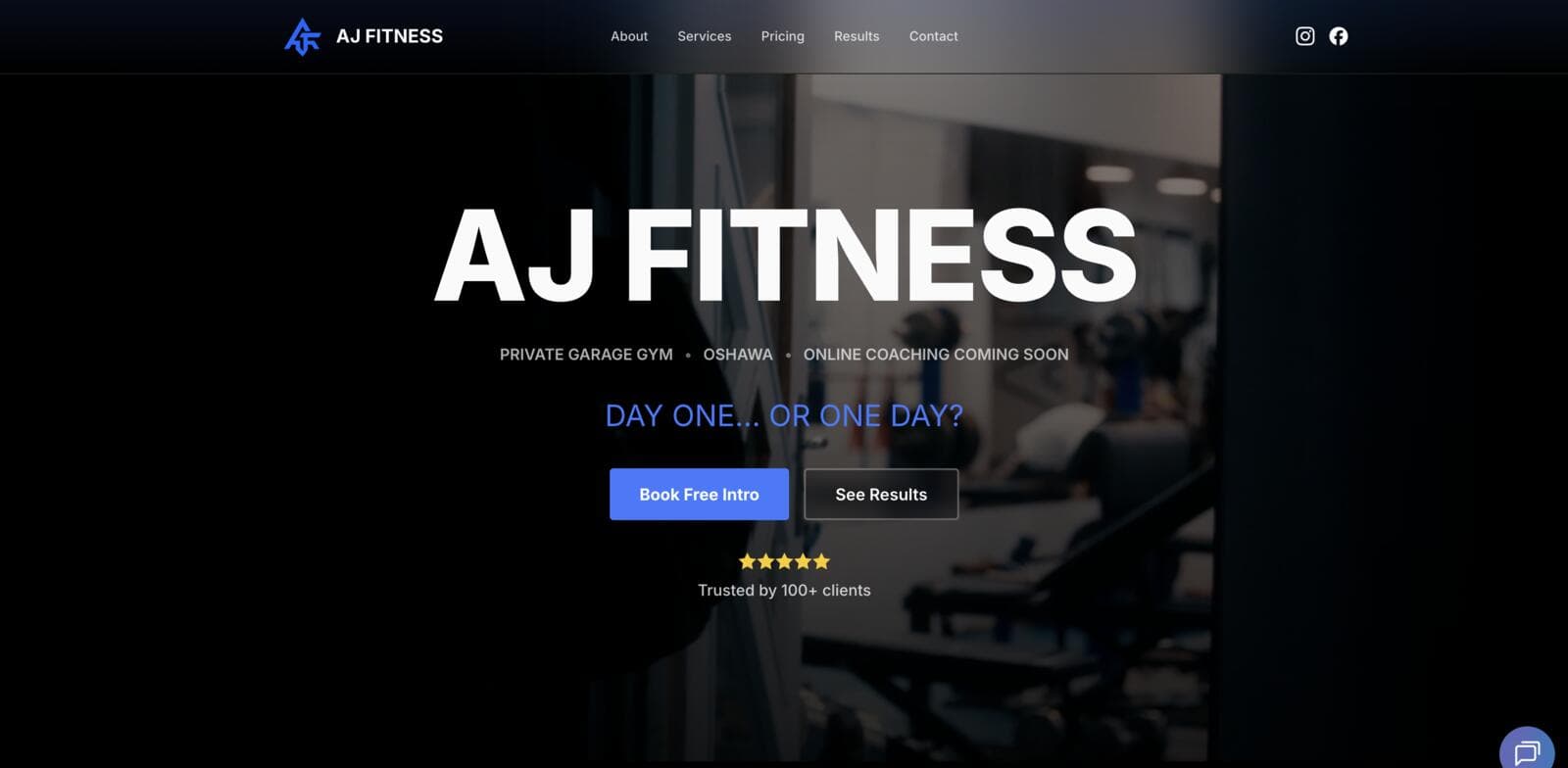
Supporting proof · Fitness
Conversion-grade funnel that turns attention into booked calls.
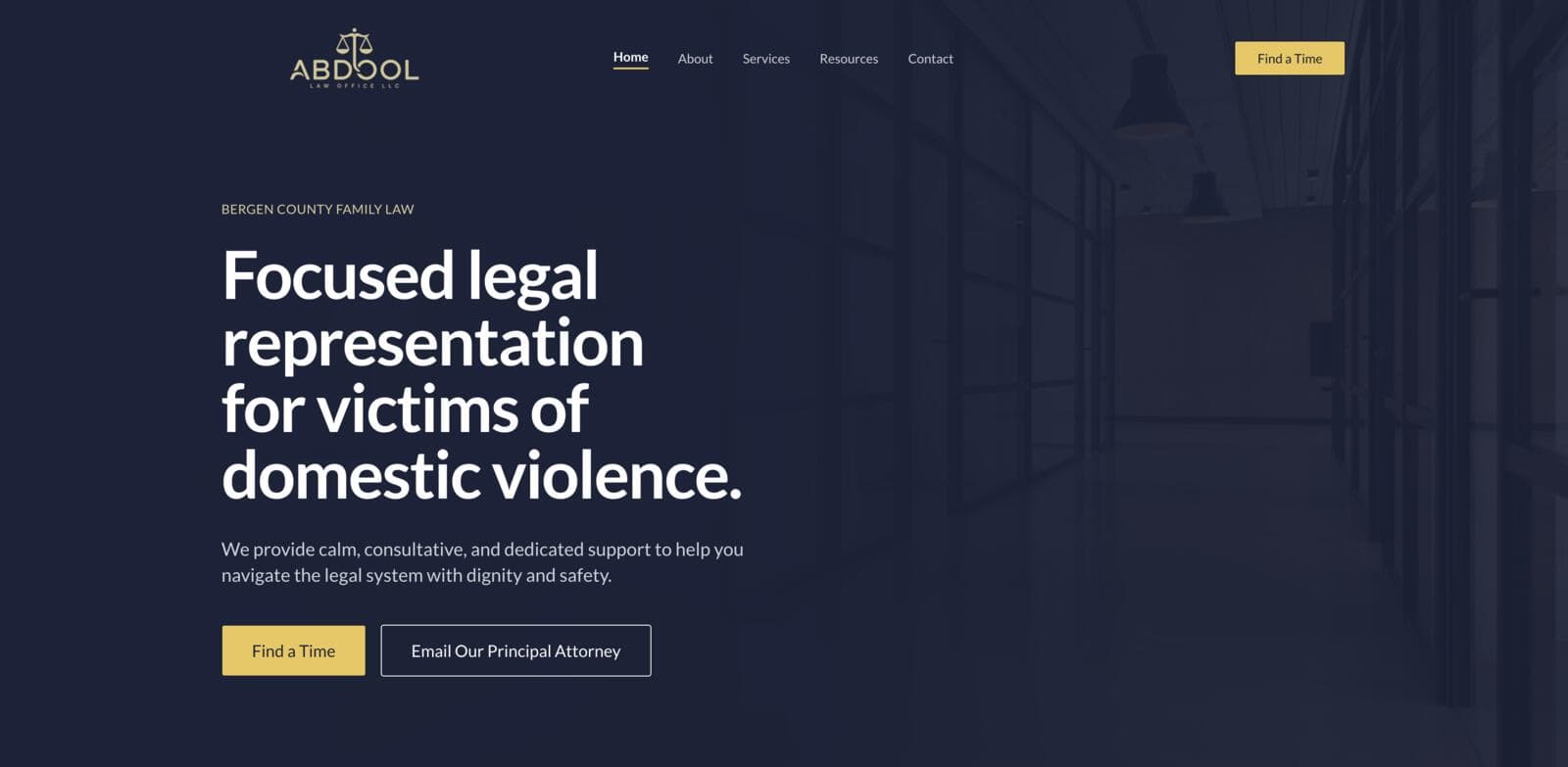
Supporting proof · Legal services
Trust-forward law firm website built for clarity, credibility, and client conversion.
“Booked out, hitting sales goals, and scaling all within 2 weeks of launch.”
14 daysto fully booked
Conversion strategy
The strongest mobile cart website answers the buyer's event questions, sets expectations, and routes the inquiry into a workflow the business can actually manage.
Weddings, private events, corporate activations, and brand experiences need different proof, context, and inquiry prompts.
Buyers should know where the cart travels, which events it fits, guest count expectations, and what the experience includes.
The form should capture the information required to estimate, quote, route, and follow up without making the buyer do unnecessary work.
Choose a capability
Start with the most urgent constraint. The five service pillars can work independently or as one connected system.
A website that proves the business, directs the visitor, and makes the next step obvious.
Better discovery that connects to a site and message strong enough to convert.
Practical software that turns repeatable work into a cleaner business operating layer.
Cleaner lead, client, and operations movement with fewer manual handoffs.
Sharper decisions about what to build, improve, automate, or simplify next.
Common questions
Usually, yes. Instagram is excellent for attention and visual validation, but a website gives buyers a clear place to understand packages, service areas, event fit, proof, and the next step before they inquire.
It should explain the experience, show real event proof, clarify service areas, separate event pathways, answer booking questions, and provide an inquiry flow that captures the details needed to quote or qualify the event.
It depends on the offer. Starting prices, ranges, or package guidance can reduce unqualified inquiries, while custom event work may still require a structured quote request.
Yes, when the packages, variables, and availability rules are clear enough. Many operators should start with structured inquiry first, then add pricing guidance or quote-to-booking automation as demand and process maturity grow.
The site should name real service areas, connect locations to actual event types, and avoid thin location pages that do not add unique value for buyers.
They can if the parent brand, audience, and booking process are connected. Separate pages or pathways often work better than separate websites unless each brand has a distinct audience and reason to stand alone.
A business that travels to customers may qualify as a service-area business. If customers are not served at a public address, the address should generally be hidden and service areas should be configured accurately.
A quote request collects the details needed for manual review. An automated booking system connects more of the flow, such as availability, pricing logic, acceptance, payment, confirmation, and CRM visibility.